


Introduction
Mental health is important to a healthy life. It influences the way we think, feel, and act. Unhealthy mental conditions may interfere with everyday life. The challenges are usually stress, anxiety, and depression.
However, there are small everyday ways of improving mental health. This article divulges 10 tips to have an effective day. Each tip is easy to follow. They facilitate emotional security and strength. Now, how is it possible to cultivate mental health daily?
Why Mental Health Matters
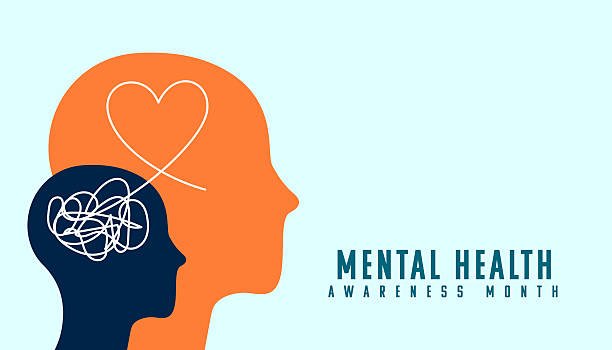
The state of mental health determines our general state of wellness. It affects relations, employment, and self-respect. A healthy mind can enable us to handle stress. It promotes effective thinking and decision-making.
Failure to take care of mental health may result in burnout. It can also lead to health problems. Emotional well-being can be reinforced by daily habits. They establish a base for a happier life. Mental health should not be a luxury. It’s a necessity for everyone.
10 Tips for Daily Mental Health
1. Practice Mindfulness Daily
Mindfulness is great for improving mental health. It entails being in the here and now. The practice eliminates stress and anxiety. Begin with five minutes of concentration breathing. Please sit down and feel how you breathe. Beginners can be directed by such apps as Headspace. Mindfulness enhances concentration and emotional sanity. Gradually, it rewires the brain to relax. Use it in everyday activities such as eating. The state of being improves natural mental health.
2. Stay Physically Active
Exercise is a psychological game changer. Endorphins are released during physical activity. These drugs lift the spirits and decrease stress. Even a 20-minute walk is a difference. Such activities as yoga or dancing are also beneficial.
They merge the practice of movement and awareness. Exercise enhances the quality of sleep. It goes ahead to raise self-confidence. Strive to have 150 minutes of exercise a week. It will be good for your mental health.
3. Prioritize Quality Sleep
Sleep is vital to the mind. Lack of sleep enhances stress and irritability. It may aggravate anxiety and depression. Aim for 7-9 hours of rest nightly. Develop a bedtime habit. Screen time should be avoided an hour before sleep.
The production of melatonin is interfered with by blue light. Regular sleeping is beneficial. Maintain a dark and silent bedroom. Getting enough sleep restores emotional balance. It is one of the pillars of psyches.
4. Eat a Balanced Diet
Mental health is directly affected by nutrition. A well-balanced diet maintains brain activity. Foods containing omega-3s, such as salmon, improve mood. Green leafy foods are important sources of nutrition. Limit sugar and food processing.
They can cause mood swings. Hydrate to increase concentration. Small, well-balanced meals maintain energy. It should be considered that a consultation with a nutritionist should be sought. The food you eat drives you mentally.
5. Create Good Social Networks.
Humans thrive on connection. A good relationship helps in maintaining mental health. Have some time with family or friends. A simple conversation will elevate mood. Become a member of a club or a community organization.
Loneliness is minimized by social bonds. They are there to give a shoulder to lean on. Online gatherings are effective when they cannot meet physically. Relationship building builds mental health. Create time to spend with people of importance.
6. Set Realistic Goals
Goals give life direction. They enhance mental health because they increase a sense of purpose. Make small, attainable objectives every day. Divide big tasks into small tasks. This lowers stress, and confidence is gained.
New small wins have to be celebrated to stay motivated. The impossibility of achieving certain goals can be a stress factor. Monitor progress using a planner. Specific objectives enhance concentration and clarity of mind. They help you feel in control.
7. Limit Screen Time
Spending too much time on the screen is detrimental to mental health. It may stimulate anxiety and stress. Comparison is often induced by social media. Establish limits to the use of devices. Try a “no-phone” hour each day.
Substitute screen time with pastimes. Journaling or reading can be relaxing. Breaks on the screen enhance concentration and atmosphere. They also promote sleep quality. Mental health is in favor of balanced tech use.
8. Practice Gratitude
Appreciation alters the psychological well-being. It shifts focus to what’s good. List three things that you are grateful for each day. The practice minimizes negative thinking. It makes one positive and strong.
The journals of gratitude are easy to initiate. Be mindful of such little things, such as a warm dish. With time, such a habit refreezes your mind. It develops emotional resiliency. The moral aspect, like gratitude, is a mental health stimulator.
9. Seek Professional Support
Mental health requires expert assistance sometimes. Therapists provide coping mechanisms. Anxiety, depression, or trauma are dealt with in counseling. It is not a disgrace to have support.
There are numerous online therapy platforms. It is available and easy to use. Frequent visits enhance mental health. They give out specifications and plans. In case you are overwhelmed, contact. One of my strengths is professional guidance.
10. Take Time for Hobbies
Interests generate happiness and well-being. They offer a form of creativity. Stress is alleviated through painting, gardening, or playing music. Negative thoughts are not focused on when one has hobbies. They also boost self-esteem. To have time spent in things you enjoyThirteenen minutes a day counts. Learn new things to keep yourself busy. Lifestyle hobbies foster emotional health. They help to make life more satisfying.
How to Make These Tips a Habit

Mental health is related to consistency. Start with one or two tips. Add a little bit at a time. Keep track using reminders or applications. Such apps as Habitica can be useful in terms of helping with habits.
Disclose your ambitions to a friend. Responsibility enhances achievements. Be patient with yourself. Minor adjustments bring about major outcomes. With time, such habits enhance mental health.
The Role of Self-Compassion
Mental health is supported by self-compassion for cooking for yourself in adversities. Avoid harsh self-criticism. It aggravates stress and anxiety. Treat yourself like a friend. Appreciate your efforts, including minor ones.
Compassion towards oneself develops strength. It makes you get on your feet quicker. Think positively every day. The practice encourages emotional stability. It is an effective mental health instrument.
Common Mental Health Myths

There are numerous myths surrounding mental health. It is said to be a sign of weakness. This is false. Mental issues are widespread. They influence millions of people around the globe. The other myth is that therapy is crisis treatment. As a matter of fact, therapy is preventive as well. These myths are cleared by education. Mental health awareness leads to tolerance. It makes people want to get assistance.
Conclusion
Mental health is something we use often . These 10 tips provide viable methods to prosper. Small steps are important since it is possible to go beyond mindfulness to hobbies. They develop emotional stability and strength. Freedom of choice makes these tips habitual. In the long run, they change your psychological well-being. Start today with one change. Your brain needs to be taken care of. These are the ways to be happier.
FAQs
1. What is mental health, and why is it necessary?
Mental health is a combination of emotions and psyche well-being. It influences our way of coping with stress and decision-making. A healthy mind enhances connections and effectiveness. It is essential to a complete, healthy life.
2. What do I do to become mentally healthier?
Begin with small ones, such as mindfulness or physical activity. Consume a well-balanced diet and sleep. Connect to people whom one loves and has objectives. The steps enhance mental health at all times.
3. When should I seek professional help for mental health?
Get assistance in case you feel depressed or become hopeless. The symptoms include chronic anxiety or mood swings. Tools and support can be offered by a therapist. Intervention at an early stage is a way of avoiding larger problems.
4. Is diet capable of influencing mental health?
Yes, diet does affect the mental state. Foods with high nutritional value, such as fish and vegetables are helpful to the brain. Mood is stabilized by avoiding sugar. A healthy diet promotes emotional health.