
Introduction
Introduction to Mindfulness is an introductory course. It focuses on introducing learners to meditation and guiding them in mindfulness practices throughout their lives.<|human|>Introduction to Mindfulness Introduction to mindfulness is an introductory course. It aims at introducing learners to the concept of meditation and helping them in their progress of mindfulness practices in their lives.
Life moves fast. Stress piles up. Fear sets in. Mindfulness is a way out. It is a ritual that makes one feel relaxed. It helps you stay present. Mindfulness isn’t new. Ancient traditions used it. Today, science backs it. This paper discusses mindfulness. It shows how it unlocks peace. You’ll learn practical tips. You’ll discover its benefits. Let’s dive in.
What Is Mindfulness?
Defining Mindfulness
Mindfulness is present. It’s about noticing now. You focus on the moment. No distractions. No overthinking. Without being judgmental, it is awareness. You observe thoughts. You feel emotions. You don’t cling to them. This discipline is based on meditation. It was inspired by the teachings of Buddhism. Now, it’s global.
Mindfulness vs. Meditation
Mindfulness is not only meditation. Meditation is one tool. Mindfulness is broader. You can practice it anywhere. Eating, walking, or working. It’s about full attention. Sitting is often done in meditation. Mindfulness is suitable in everyday life. Both reduce stress. Both improve focus.
Why Mindfulness Matters
Stress Reduction
Stress harms health. It affects sleep. It raises blood pressure. Mindfulness lowers stress. Studies show it works. It calms the mind. It reduces cortisol levels. A 2018 study found benefits. Participants were not so anxious. They slept better. Mindfulness is transforming your brain.
Improved Focus
Modern life distracts. Phones buzz. Emails flood. Mindfulness sharpens focus. It trains your brain. You notice distractions. You let them go. Research supports this. A 2020 study showed results. Individuals were mindful. Their attention spans grew. They performed better.
Emotional Balance
Emotions can overwhelm. Anger flares. Sadness lingers. Mindfulness helps. It creates space. You observe feelings. You don’t react instantly. This builds resilience. It fosters calm. A 2019 study proved it. Mindfulness improved mood. It minimized the evidence of depression.
How to Practice Mindfulness
Start with Breathing
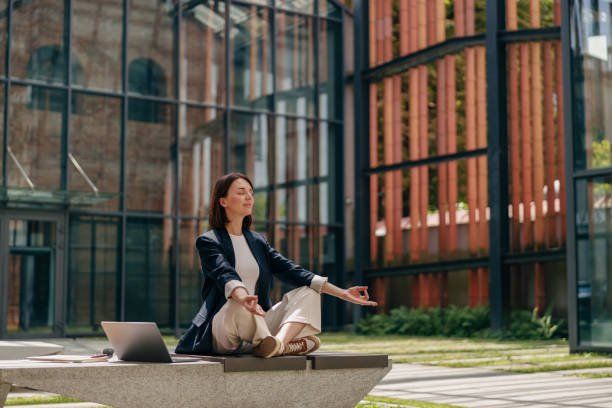
Breathing is simple. It’s always with you. Mindfulness begins here. Try this. Sit comfortably. Close your eyes. Inhale deeply. Exhale slowly. Notice the air. Feel your chest rise. Feel it fall. Do this for five minutes. Your mind will wander. That’s okay. Gently bring it back.
Being an Aware Mind in Everyday Life.
Mindfulness does not involve sitting. It’s in small moments. Try mindful eating. Chew slowly. Taste each bite. Notice textures. Or try mindful walking. Feel your feet. Notice the ground. Hear the sounds. These moments add up. They bring peace.
Directed Meditations.
Beginners are assisted in guided sessions. Apps like Headspace work. So does Calm. They offer short exercises. Some are five minutes. Others are longer. Follow the voice. Focus on instructions. It’s like training wheels. Soon, you’ll practice alone.
Introduction to Mindfulness Techniques

Body Scan
A body scan relaxes. Lie down. Close your eyes. Focus on your toes. Notice sensations. Move up slowly. Ankles, knees, hips. Keep going. Reach your head. This takes ten minutes. It reduces tension. It grounds you.
Gratitude Practice
Appreciation changes attitude. It’s a mindfulness tool. Each day, write three things. They can be small. A warm coffee. A kind word. A sunny day. Reflect on them. Feel the joy. This boosts positivity. It trains your brain.
Mindful Listening
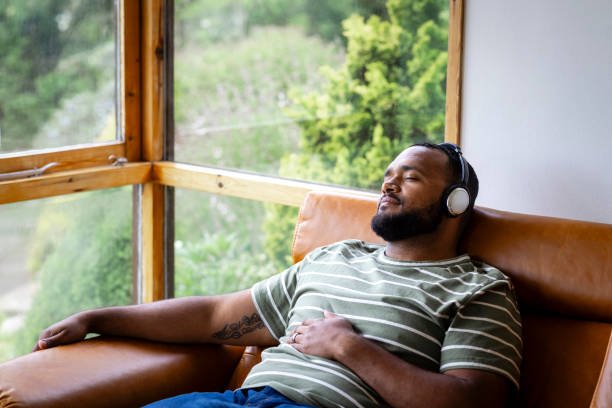
Listening is powerful. It’s a mindfulness skill. Try this. Pick a song. Listen closely. Hear each instrument. Notice the rhythm. Or listen to a friend. Don’t plan your reply. Just hear them. This deepens connections. It sharpens awareness.
The advantages of Mindfulness in Daily Living.
Better Relationships
Mindfulness enhances relationships. It teaches patience. You listen better. You react less. A 2021 study showed this. There was mindfulness between the couples. They argued less. They felt closer. The attendance reinforces connections.
Enhanced Productivity
Work demands focus. Mindfulness boosts it. You stay on task. You avoid multitasking. A 2022 study found gains. Employees used mindfulness. They completed projects within a shorter time. They made fewer errors. It’s a game-changer.
Physical Health Benefits
Mindfulness helps your body. It lowers blood pressure. It improves sleep. It even boosts immunity. A 2020 study showed this. Mindfulness was practiced by the participants. They caught fewer colds. Their hearts were healthier. It’s not just mental.
Psychological Disputes with Common Mindfulness.
Wandering Mind
Your mind will wander. It’s normal. Don’t get frustrated. Notice the drift. Gently return. Mindfulness is practice. It gets easier. Start small. Even one minute helps.
Finding Time
Life is busy. Mindfulness appears to be too difficult to fit. It’s not. You don’t need hours. Five minutes works. Do it during lunch. Or before bed. Small moments count. Consistency matters more.
Staying Consistent
Habits take time. Mindfulness requires repetition. Set a reminder. Use an app. Or tie it to a routine. Wash your teeth, and then practice. Link it to daily life. It sticks better.
Mindfulness within Various Environments.
At Work
Workplace stress is real. Mindfulness helps. Take short breaks. Breathe deeply. Focus on one task. A 2023 study showed results. Workers used mindfulness. They felt less burned out. They enjoyed work more.
At Home
Home should be calm. Mindfulness makes it so. Try family mindfulness. Share a quiet moment. Or practice alone. It reduces tension. It creates peace. Everyone benefits.
In Nature
Nature boosts mindfulness. Go outside. Notice the trees. Hear the birds. Feel the breeze. A 2021 study found benefits. People practiced outdoors. Their stress dropped faster. Nature amplifies calm.
Mindfulness and Technology
Using Apps
Technology helps in being mindful. Apps guide you. Headspace is popular. So is Insight Timer. They offer free sessions. Some are paid. They track progress. They keep you motivated.
Avoiding Distractions
Phones distract. Mindfulness fights this. Set boundaries. Turn off notifications. Use airplane mode. Practice for ten minutes. You’ll feel refreshed. Technology can help or hurt. Choose wisely.
Evidence Supporting Mindfulness

Brain Changes
Mindfulness transforms your brain. Neuroplasticity is real. It strengthens focus areas. It calms stress regions. A 2019 MRI study proved it. Participants meditated. Their brains adapted. They felt happier.
Mental Health Benefits
Mindfulness fights anxiety. It reduces depression. It helps with PTSD. Studies confirm this. The results of a 2020 meta-analysis were presented. Mindfulness therapy was the most effective one. It’s a proven tool.
Long-Term Effects
Mindfulness isn’t a quick fix. It builds over time. Habits are rewired in everyday life. A 2022 study tracked users. Mindfulness over long term enhanced the quality of life. It’s worth the effort.
Meditation: 10 Ways to Practice More Mindfulness.
Join a Community
Groups boost mindfulness. Find local classes. Or join online forums. Share experiences. Learn tips. Society makes you responsible. It inspires growth.
Read Books
Books teach mindfulness. Try “The Power of Now.” Or where you go, there you are. They explain concepts. They offer exercises. Reading enriches comprehension.
Attend Retreats
Retreats immerse you. They last days or weeks. You practice intensely. You disconnect from stress. Retreats reset your mind. They’re a powerful step.
Mindfulness for All Ages
Kids and Mindfulness
Kids benefit too. Mindfulness makes them be attentive. It reduces tantrums. Simple games work. Try blowing bubbles. Or mindful coloring. Schools use it now. It builds calm kids.
Seniors and Mindfulness
Aging brings challenges. Mindfulness eases them. It improves memory. It reduces loneliness. Seniors can sit or move. Gentle exercises work. A 2023 study showed gains. Seniors felt happier.
Conclusion
Mindfulness unlocks peace. It’s simple yet powerful. It fits any lifestyle. You don’t need much time. Just a few minutes daily. The benefits are clear. Less stress. Better focus. Stronger relationships. Science backs it. Practice breathing. Try small moments. Use apps or books. Overcome challenges. Make it a habit. Mindfulness makes a difference. Start today. Find your calm.