
Introduction to Beginner Yoga
Yoga is the path of harmony, power, and harmony. It is an exciting method to be more elastic, less tense, and connected to the body at the start. Novice yoga does not presuppose complicated gadgets and abilities.
It is all about beginning with nothing, mastering important poses, and gaining confidence. This article will discuss critical yoga postures when starting as a yogi, provide tips, advantages, and practice examples to ensure your practice becomes useful and fun.
Beginner yoga can keep anyone busy, whether you want to get physically fit or mentally clear, or just have a moment of relaxation. Time to get into those poses that will prepare you to win.
Why Start with Beginner Yoga?
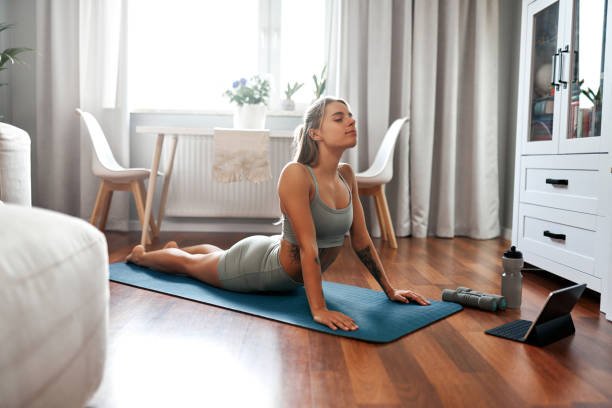
Novice yoga is ideal when you are new to it. It provides the basic poses that strengthen and make one flexible. These are simple poses that can be learnt very easily and may suit any level of fitness.
Yoga can also make you mindful, so that you are present. Yoga research demonstrates that it calms anxiety and enhances the state of mind. It is an easy practice to improve the well-being of novice yogis.
Simple poses will prevent injury. It lays the groundwork for high-level practices. Also, novice yoga is not difficult; you can work on it at home, in the studio, or in the field.
Essential Beginner Yoga Poses
These are some of the best poses that every Beginner Yoga must learn. Every pose has step-by-step instructions, advantages, and variations that make it easier.
Mountain Pose (Tadasana)
All of the standing poses are based on Mountain Pose. It instructs in harmony and equanimity.
How it works: Stand on your feet. Spread your toes. Engage your thighs. Have your arms loose next to your body. Pull up your chest and backward your shoulder blades back. Breathe deeply for 5–8 breaths.
Benefits: Improves posture. Strengthens legs. Enhances focus.
Variation: Where balance is a problem, feet hip-width.
Real-life example: Sarah, aged 3,0, was a teacher and had been using Mountain Pose to improve her posture. Sedentary living resulted in bacpainns. This pose would enable her to stand taller and feel more confident by practicing it every day.
Downward-facing Dog (Adho Mukha Svanasana)
This famous posture extends the whole body. It’s a staple in beginner yoga.
How to do it: Start on all fours. Tuck your toes under. Raise the hips to the ceiling. Form an inverted “V” shape. Bend your knees a little when hamstrings are tight. Hold for 5–8 breaths.
Advantages: Strengthens the hamstrings, calves, and back. Makes arms and shoulders stronger. Relieves stress.
Modification: Keep the knees in a lower position or place the hands over blocks.
Real-life case: Downward Dog was added to the routine of John, a 25-year-old runner. It provides relaxation of his tight hamstrings and a better running posture.
Warrior I (Virabhadrasana I)
Warrior I develops power and belief. It is ideal among novice yogis.
How to do it: Put one foot behind, keeping the front knee in a bent position. Align the back arch with the front heel. Raise your arms overhead. Square your hips forward. Hold for 5 breaths.
Good things: Builds leg and core strength. Opens hips and chest. Boosts stamina.
Adjustment: balancing by reducing the posture.
Life example: Emily (a 40-year-old mother) became stronger with the assistance of the Warrior I. It made her feel active when she was busy.
Tree Pose (Vrksasana)
Tree Pose helps to focus the mind. It is a beginner yoga pose.
How to do it: Stand on one leg. Put the sole of the other foot upon your inner thigh or calf. Avoid the knee. Bring the hands to the heart point or bring them up to the head. Hold for 5 breaths.
Benefits: Enhances balance. Strengthens legs. Improves concentration.
Modification: Maintain the raised foot as close to the ankle as possible.
Life story example: Lisa, a 28-year-old student, studied Tree Pose to remain focused during exams. It helped her feel grounded.
Child’s Pose (Balasana)
Child’s Pose is a resting pose. It is excellent for relaxing during beginner Yoga.
How to do it: Kneel on the floor. Sit back on your heels. Bend your chest down to the floor. Rest your forehead on the mat. Bring your arms in front of you or lean them up. Breathe deeply for 5–10 breaths.
Benefits: Relaxes the body. Stretches hips and thighs. Calms the mind.
Modification: put a blanket below the knee.
Real-life example: Mark is a 35-year-old office worker who would do Child’s Pose to relax after a long hour at a meeting. It helped him get immediately less stressed.
Cat- Cow Pose (Marjaryasana-Bitilasana)
This soft movement makes the spine warm. It’s ideal for beginner yoga.
How to do it: Start on all fours. Take a breath, round your back, and raise your head (Cow). Breathing out, round the spine and tuck the chin in (Cat). Repeat for 5–8 cycles.
Benefits: Improves the flexibility of the spine. Relieves tension. Promotes breath awareness.
Adjustment: Slow down when you are feeling pain in your back.
Life context: Anna is a 50-year-old person who uses Cat-Cow to relieve morning stiffness. It would make her feel looser all day.
Seated Forward Bend (Paschimottanasana)
This is the hamstring and back stretch. It is relaxing to do new yoga.
How to do it: Sit with legs straight. Inhale, lengthen your spine. Breathe out, bend at the hips, and grab your feet. Hold for 5 breaths.
Benefits: Builds hamstrings and back. Reduces stress. Improves digestion.
Modification: A strap around the feet helps when flexibility is poor.
Real-life example: A 45-year-old writer, Tom, used this pose to relieve lower back tension caused by sitting. It improved his comfort.
People Also Ask
When should a person do beginner yoga?
Morning is the best thing to get your day going. Evening helps you unwind. The time you choose is up to you. Timing is not more important than consistency.
Do I require beginner yoga equipment?
A yoga mat would be useful but not necessary. You may use a towel or a soft surface. Poses may be supported by blocks or straps.
What is the frequency of beginner yoga?
Aim for 2–3 sessions per week. It can help even 10-15 minutes a day. Have your ear to the ground and do not overdo it.
Will first-time yoga assist in weight loss?
Yoga helps to lose weight, as it enhances mindfulness and decreases stress. A healthy diet is the best combination.
Tips for Success in Beginner Yoga
- Start with easy poses: Do not go to hard poses. Master the basics first.
- Breath deeply: When you become present, focus on your breath.
- Leverage: Support classes with blocks, straps, or blankets.
- Train, train, train: Routine is strength and confidence.
- Take a course: An instructor can teach good alignment.
- Pay attention to your body: Do not go beyond what hurts.
Novice yoga is not about perfection as much as it is progress. Praise the little achievements, such as having a longer pose or being less tense.
Common Mistakes to Avoid
New yogis are prone to simple errors. Here’s how to avoid them:
- Forcing teaches: Do not take your body too far. Ease into stretches.
- Holding breath: continue to breathe easily to remain relaxed.
- Missing warm-ups: There are some warm-ups that you can do to warm up your body and wake your muscles up, and one of them is Cat-Cow or a few light stretches.
- Comparing yourself: The yoga path of everyone is different.
That being said, your new Beginner Yoga will be safe and productive.
Benefits of Beginner Yoga
The physical and mental benefits of yoga among beginners include. It enhances flexibility, which simplifies the day-to-day tasks. It makes muscles stronger, which prevents injury.
Yoga decreases cortisol, which reduces stress. Sleep and mood are improved in many new yogis. With time, novice yoga develops confidence and awareness of the body.
To explain that, Maria is a 32-year-old nurse who started practicing yoga to overcome work pressure. Two months later, she felt relaxed and more energetic. She was positive, and her colleagues could see it.
The Ultimate guide to developing a beginner yoga practice.
Creating a routine is simple. Begin with 10 to 20 minutes a day or a week. Follow this sample flow:
- Warm-up: Cat-Cow for 2 minutes.
- Pose Mountain: Pose, (5 breaths) Warrior I, Tree Pose.
- Poses (sitting): Seated Forward Bend (5 breaths).
Such useful skills will be acquired through the assistance of Downward Dog and Child Pose, and Mountain Pose to have power, agility, and relaxation.
Modify the routine according to your requirements. Added more as you grow more confident.
Where to Practice Introductory Yoga?
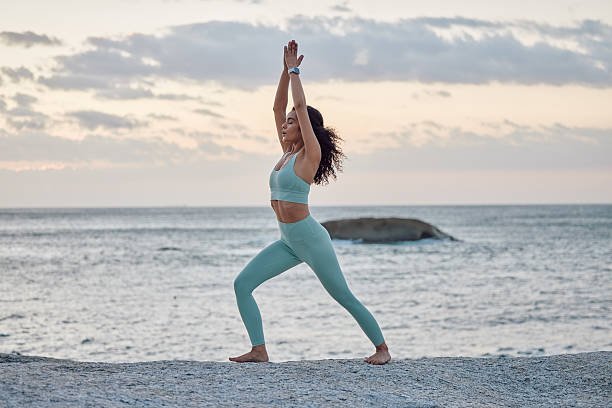
You can practice anywhere. Use video games or applications at home. Guided classes are provided in studios. Parks are a relaxing outdoor environment. You are free to pick something that suits you.
Conclusion
Novice yoga is an open door to health. It is easy, flexible, and fulfilling. Do it one step at a time, breathe in, and enjoy it. Break it into bits, get easy, take a breath, have fun. Practicing yoga over time can help a beginner change their mind and body. Take a mat, practice these postures, and discover a new happiness in yoga.