

Introduction to Symptoms of Gallstones
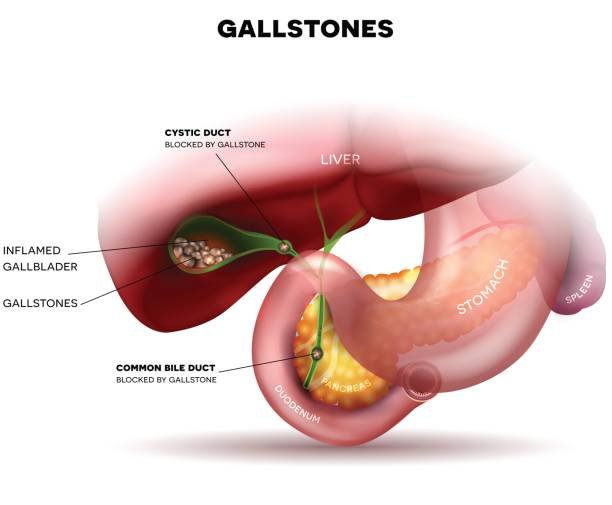
Gallstones are hardened deposits that are small in size and are formed in the gallbladder. They may be very uncomfortable. Most individuals are not aware of the presence of gallstones until they develop symptoms.
It is important to learn about the symptoms of gallstones so that the treatment can be provided as soon as possible. In this paper, the common presentation of gallstones, their significance, and when to see the doctor are discussed. Let’s dive into the details.
What Are Gallstones?
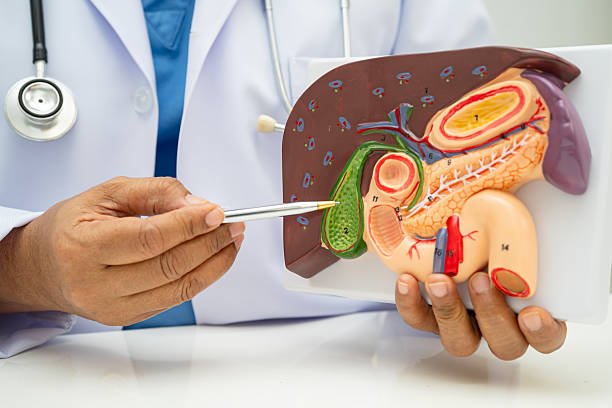
Gallstones are the hardening of the bile, which is a digestive fluid in the gallbladder. The gallbladder is a tiny organ below the liver. It contains bile that it uses to digest fats. Gallstones vary in size. Others are smaller than a grain of sand. Others are golf-ball-sized. They can block the ducts of the bile to cause pain and complications. The symptoms of gallstones give you a clue on what to do.
Typical Gallstone symptoms
Gallstones do not necessarily cause any symptoms. These are termed as silent gallstones. However, symptoms of gallstones may be extreme when they occur. The most common signs to observe are listed below.
1. Acute, Acute Abdominal Pain
Acute pain in the upper right abdomen is the characteristic feature of gallstones. This pain, or a gallbladder attack, may take a few minutes to hours. It tends to attack following a fatty meal.
The pain can extend up to the back or right shoulder. The sensation is that of stabbing or burning. Sarah is an example of a 45-year-old teacher who experienced this pain after eating fried chicken. She said it felt as though a knife was in my stomach. When this happens to you, do not overlook it.
2. Nausea and Vomiting
One symptom of gallstones is nausea. Vomiting may follow. All these happen when a bile duct is blocked by a gallstone. The obstruction interferes with digestion and causes stomach unease.
John is a 52-year-old mechanic, and he felt nauseated after a heavy meal. He believed it to be indigestion. Later tests showed gallstones. Nausea will not go away after eating.
3. Digestive Issues
The presence of gallstones may lead to bloating and indigestion. You can become full despite having small meals. Gas and burping are common. These Symptoms of Gallstones resemble other digestive issues. This makes diagnosis tricky. None of the above, and keep on bloating: see a doctor. It may indicate gallstones or some other problem.
4. Jaundice (Yellowing of Skin and Eyes)
Bile accumulates in the body when the bile duct is blocked by a gallstone. This causes jaundice. Your eyes and skin are yellow. Your urine may darken. The stools can appear pale or clay-colored. Maria is a 38-year-old nurse who observed that her eyes were turning yellow. She turned to a doctor and was found to have gallstones. Jaundice is a severe gallstone symptom. It requires urgent treatment.
5. Fever and Chills
Chills with a fever may indicate infection of the gallbladder. This occurs when inflammation or obstruction is due to gallstones. It is called cholecystitis in medicine. Abdominal pain may come with fever. When you have both, call a doctor. There are complications that can occur due to an untreated infection.
6. Back or Shoulder Pain
Gallstone pain may be radiating. It tends to extend to the back or right shoulder blade. This referred pain is common. It is like a dull pang or a stabbing pang. As an example, a 60-year-old retired person (Tom) experienced some pain in his shoulders for several weeks. He thought it was arthritis. A scan showed gallstones. Don’t dismiss unusual pain. It might be one of the symptoms of gallstones.
Less Common Symptoms of Gallstones
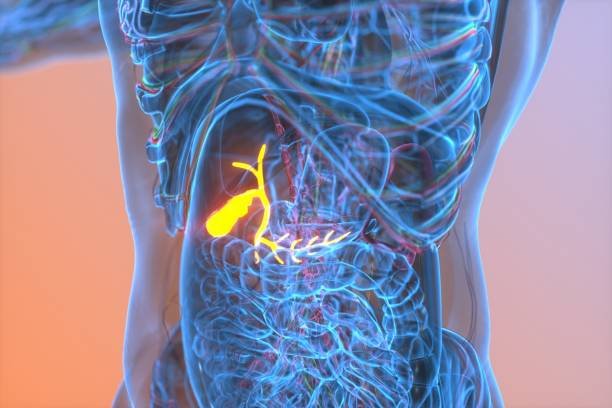
Other signs of the presence of gallstones are less visible. These include:
- Fatigue: Having no apparent cause of tiredness can happen.
- Heartburn: Gallstones may resemble acid reflux.
- Bowel Movements: There is a possibility of diarrhea or pale-coloured stool.
These signs are subtle. They’re easy to overlook. But they may refer to gallstones.
People Also Ask
Is it possible to suffer from Gallstones even without eating?
Yes. At any time, gallstones may cause pain. Fatty foods are known to cause attacks. But obstructions may occur by chance. If pain persists, see a doctor.
How can I tell whether I have Pain of Gallstones or not?
The pain of the gallstones is sharp and upper-right abdominal area. It can propagate to the back or the shoulder. It often follows meals. Tests such as an ultrasound can help a doctor confirm the same.
Do Gallstones Clear up on their own?
Gallstones can be passed on their own as small stones. But most don’t. When not taken care of, they may lead to complications. It should be properly diagnosed by a doctor.
Are Gallstones Dangerous?
Silent gallstones are not harmful. They, however, may cause serious illnesses like infections or pancreatitis. Early identification of signs of gallstones helps to avoid complications.
Who Is at Risk for Gallstones?
These are some of the factors that predispose to gallstones. These include:
- Gender: Women have a higher propensity to get gallstones.
- Age: Patients older than 40 years of age are at risk.
- Diet: High-fat, low-fiber diets.
- Obesity: Obesity puts you at risk.
- Family History: There is a role of Genetics.
When in danger, be watchful of gallstone symptoms.
When to See a Doctor
There are life-threatening symptoms of gallstones. Seek help if you have:
- Pain in the abdomen for more than an hour.
- Fever with abdominal pain.
- Yellowing of skin or eyes.
- Continuous vomiting or nausea.
These manifestations are indications of complications. A doctor can request tests such as an ultrasound or a CT scan. Early diagnosis helps to avoid severe complications such as rupture of the gall bladder.
What is the Diagnosis of Gallstones?
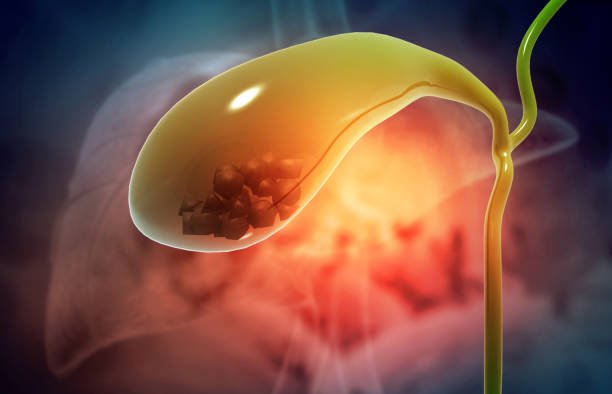
There are a number of ways that doctors diagnose gallstones. These include:
- Ultrasound: This identifies the presence of gallstones in the gallbladder.
- CT Scan: shows complications or obstructions.
- Blood Tests: No Hepatologic problems or infection.
A good example is Lisa, a 50-year-old accountant who had recurring pain. A gallstone was confirmed by an ultrasound. Treatment is directed by proper diagnosis.
Therapy of Gallstones
Therapy is symptomatic. No action may be required to remove silent gallstones. However, symptomatic gallstones tend to need treatment. Options include:
- Surgery Gallbladder (cholecystectomy) is usual.
- Medications: Small gallstones can be dissolved by medications.
- Lifestyle Modifications: A healthy low-fat diet will prevent an attack.
Talk to your doctor. In most cases, surgery is the best.
Preventing Gallstones
You can reduce the chances of gallstones. Try these tips:
- Eat a balanced diet. Include fiber-rich foods.
- Maintain a healthy weight. Avoid rapid weight loss.
- Stay active. Plain air helps in digestion.
- Limit fatty foods. They cause the formation of gallstones.
Prevention will decrease the risk of having gallstone symptoms.
Real-life example of symptoms of gallstones
True stories create an emphasis on symptom awareness. Take Emily, a 42-year-old mother. She disregarded subtle pain in the abdomen over a period of time. On one night, the terrible pains and nausea brought her to the ER.
Physicians discovered that the patient had gallstones in her bile duct. Surgery resolved her issue. In the same case, Mark is a 55-year-old driver who misdiagnosed the pain in his shoulder as one caused by muscle strain. Tests revealed gallstones. The examples demonstrate the role of early diagnosis.
Why You Shouldn’t Ignore Symptoms of Gallstones
Complications can arise with the disregard of the symptoms of gallstones. These include:
- Cholecystitis: an inflamed gallbladder.
- Pancreatitis: inflammation of the pancreas as a result of an obstruction.
- Rupture of the Gallbladder: This is a life-threatening problem, but it is quite rare.
These risks are avoided through action. You should not wait in case you suspect that you have gallstones.
Conclusion
The symptoms may include acute pain as well as nausea and jaundice, which are caused by gallstones. It is important to be aware of the signs of gallstones so that they can be treated early. Yellowing skin, vomiting, or sudden abdominal pain are symptoms that you cannot overlook.
When you are at risk or have these symptoms, seek medical attention immediately. Gallstones can be checked by tests such as ultrasounds.
Symptoms can be relieved with treatment, such as surgery or lifestyle changes. Be on the offensive concerning your health. Watch out for signs of a stone formation in the gallbladder and respond promptly to prevent complications. Your body will thank you.