


Introduction
Healthcare is being transformed by technology. From wearable devices to telemedicine, things are getting better. Technology and [Health] are coming together to develop more intelligent solutions. Patients get better care. Physicians get to work better. This paper examines the impacts that innovation is having on healthcare. It is not difficult to read, and it is full of insights.
Embracing Technology in Healthcare

Healthcare has evolved fast. This change is brought about by technology. Accurate diagnoses are made using new tools. There is enhanced effectiveness of treatments. Patients now have greater control. Technology and Health collaborate to achieve better outcomes. Digital solutions can be found all around. They are transforming our attitude to wellness.
Health-monitoring Wearable devices
Wearable tech is booming. Smartwatches are devices that monitor heart rate. They monitor sleep patterns. Others even measure blood oxygen. These tools empower people. You are able to identify health problems at an early stage. In one example, a smartwatch could monitor irregular heartbeats. This triggers periodic visits to the doctor. Here, there is a synergistic union of Technology and Health. Wearables encourage preventive medicine.
Telemedicine: Health on Your Fingertips.
Telemedicine is a paradigm-shifter. It enables access of doctors by patients remotely. No need for long trips. Consultations are the easiest through video calls. The prescriptions come electronically. Rural areas benefit most. It is now easy to access specialists. [Technology and Health] help care to be accessible. Telemedicine is time and cost-saving. It’s convenient for everyone.
Artificial Intelligence in Healthcare
Medicine is being revolutionized by Artificial intelligence (AI). AI interprets large volumes of data in a short period of time. It assists the physicians in making judgments. AI is used to make decisions of Technology and Health. Now, we will discuss the ways AI is changing care.
AI in Diagnostics
AI identifies trends that a human can overlook. It analyzes X-rays and MRIs. One of them is early cancer detection. Artificial intelligence software determines risks correctly. They reduce human error. Physicians apply AI to make quicker diagnoses. This saves lives. Accurate AI makes [Technology and Health] thrive.
AI-based Personalized Medicine.
Every patient is unique. AI customizes the treatment of patients. It studies genetic data. This develops tailor-made care plans. To give an example, there are now personalized forms of cancer treatment. Patients get better results. Precision of treatment is achieved by [Technology and Health]. AI can guarantee care based on the needs of individuals.
Robotics in Surgery and Care
Robots are finding their way into the operating rooms. They aid the surgeons in accuracy. Complex tasks are done through the use of robot arms. This reduces recovery time. There are fewer complications to patients. Robotics.–[Technology and Health]. Let’s look closer.
Robotic Surgeries
Robotics increases the accuracy of surgery. They are manipulated by surgeons. Minimal cuts minimize scarring. Recovery is faster. Surgeries on the prostate make use of robots. Patients heal quickly. Technology and Health enhance the results of surgery. The future of surgery is robots.
Robots in Patient Care
Robots help in other ways. They provide supplies within hospitals. Others support aged people. Patients have reminders about taking meds via robots. They reduce staff workload. This improves care quality. Technology and Health ensure efficiency in the hospitals.
Mobile Health Apps: Empowering Patients
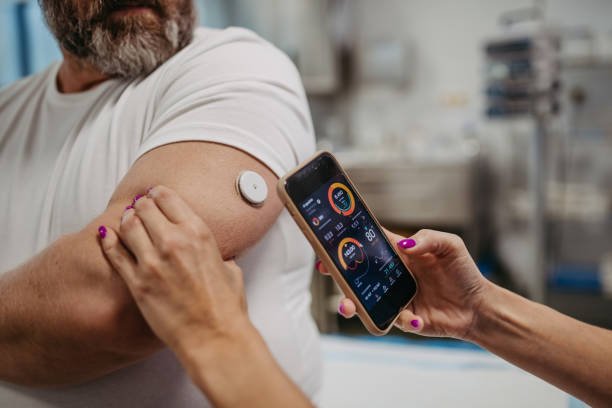
Health apps are everywhere. They track fitness goals. Some track chronic conditions. You are reminded to drink water using Apps. Other people direct mental health activities. Technology and Health enable patients. You control your wellness.
Managing Chronic Diseases
Apps help manage diabetes. They monitor the level of sugar in the blood. Users log meals and meds. Warning systems help to avoid harmful spikes. Asthma patients use apps too. They monitor symptoms. [Technology and Health] makes it possible to simplify disease management. The apps provide patients with autonomy.
Mental Health Support
Mental health applications are on the increase. They have meditation instructions. Others offer treatment sessions. Users track moods daily. This helps spot patterns. Technology and Health is in favor of emotional wellness. Mental health care is attained through apps.
People Also Ask
What is the role of Technology in improving healthcare?
Technology promotes diagnostics and treatments. Technology such as artificial intelligence and wearables identifies them at an early stage. Telemedicine increases access. There is faster, improved care to patients. Efficiency and accuracy is fuelled by Technology and Health.
What are the advantages of Telemedicine?
Telemedicine saves time. It reduces travel costs. Doctors are easily connected to patients. The rural locations are exposed to experts. Healthcare is convenient and inclusive with the aid of Technology and Health.
How Is AI Used in Healthcare?
AI analyzes medical data. It predicts diseases. AI personalizes treatments. It will decrease diagnostic errors. [Technology and Health] are based on the accuracy and speed of AI.
Are Health Apps Safe to Use?
Most health apps are safe. They use encrypted data. Always check app reviews. Select reliable applications. [Technology and Health] are concerned with the privacy and security of the users.
The Role of Big Data in Healthcare

Healthcare is changing into big data. It gathers huge amounts of patient data. This improves research. Doctors predict outbreaks. They track disease trends. [Technology and Health] relies on big data to make an insight. Let’s dive deeper.
Predicting Health Trends
Big data spots patterns. It predicts flu seasons. Hospitals prepare better. Funds are also used in a prudent manner. Planning becomes efficient [Technology and Health]. Information saves lives in epidemics.
Improving Research
Researchers use big data. They research the outcomes of treatment. This accelerates the development of drugs. Rare diseases get attention. [Technology and Health] fast-tracks the discoveries. Medical breakthroughs are driven by big data.
Challenges of Technology in Healthcare
Technology isn’t perfect. It faces hurdles. Privacy is a big concern. Data breaches can happen. Systems must be secure. [Technology and Health] must have solid protection. Let’s explore challenges.
Data Privacy and Security
Health data is sensitive. Hackers target it. Hospitals use encryption. Patients are guarded by stringent laws. HIPAA ensures compliance. [Technology and Health] are security-conscious. Trust is essential.
Expensive Costs of Implementation.
New tech is expensive. Hospitals need funding. Training staff takes time. Smaller clinics struggle. [Technology and Health] should strike a cost balance. Solutions at affordable prices are important.
What is the Future of Technology and Health?
The future is bright. [Technology and Health] will become more powerful. Innovations are endless. Let’s look at what’s coming.
Healthcare VR.
Virtual Reality (VR) is coming out. It trains doctors. Surgeons have a complicated set of procedures. VR is used by patients in pain management. It is distracting in treatments. [Technology and Health] applies to the VR of improved care.
3D Printing in Medicine
Prosthetics are made by using 3D printing. It builds custom implants. Organs might be printed soon. This will shorten waitlists in transplants. [Technology and Health] go to extremes. 3D printing is life-saving.
Health Records blockchain
Health records are secured by blockchain. It ensures data integrity. Patients control access. Sharing records is safe. [Technology and Health] ensure the reliability of records. Blockchain is the future.
Conclusion
Health [Technology and Health] is transforming lives. Wearables track wellness. AI improves diagnoses. Telemedicine unites patients. Robotics enhance surgeries. Apps empower individuals. Big data drives research. Issues such as privacy are there.
But solutions are evolving. There are endless opportunities in the future. Next comes virtual reality, 3D printing, and blockchain. There is smarter and more accessible healthcare. Outcomes are better through technology. It is a very interesting period of [Technology and Health].