


Introduction to Import Export
World trade opens new vistas. Markets around the globe are interconnected through the import-export business. It enables companies to expand internationally. Importation and exportation can revolutionize your business, whether you are a small start-up or an existing business. This article discusses the ways of increasing your business through import- export. The strategies, advantages, issues, and useful tips to win in worldwide trade we are going to discussed.
What is Import Export?
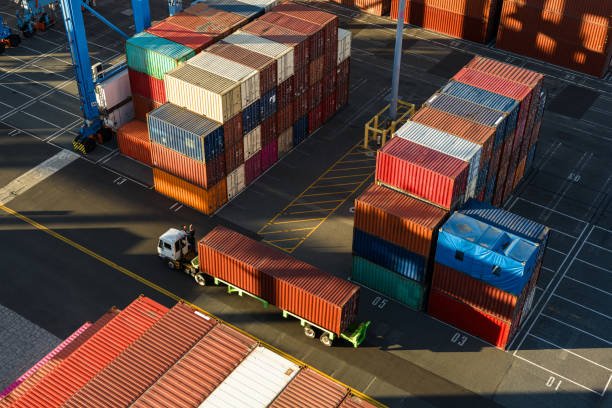
Import-export means that goods and services are exchanged by international borders. Importing refers to the purchase of products or services of other nations. Exporting is the sale of your products or services to foreign markets. Global trade is fuelled by this process. It assists companies in reaching out to new customers and resources. As an example, an American firm may import Brazilian coffee beans and export technology devices to Japan.
The Importance of Import Export to Businesses
International trade increases your market. It enhances the potential of revenue. Importation offers access to products or materials that are one of a kind or are cheap. Export provides you with an opportunity to gain foreign demand. They make up an active business model. World trade increased by 3.5 percent in 2024, according to the World Trade Organization. This demonstrates the increased significance of import-export to businesses.
The Pros of Import Export to Your Company.
There are many benefits to the import-export. Let’s break them down.
Access to New Markets
Exporting creates new clientele. In case you have a saturated local market, world trade opens new possibilities. An example of this is that a clothing brand in India can export to Europe, where there is a high demand of unique designs. This increases sales and brand awareness.
Importation Cost Saving.
Importing can reduce costs. Raw materials or products can be sourced at lower prices in other countries. As an illustration, a Canadian furniture manufacturer could source cheap wood in Southeast Asia. This reduces the cost of production and improves the profit margins.
Risk Reduction and Diversification.
It is dangerous to depend on the market. Diversification of your revenue through global trade. Export markets will ensure your business does not collapse when the local demand decays. In the same vein, the importance of importing through a variety of suppliers will lower the reliance of having a single supplier.
Building a Global Brand
Your brand is boosted by import- export. Moving across borders is an indicator of credibility. Your business is seen by customers and partners as one that has been founded and trusted. A small coffee shop that buys beans all around the world can sell itself as a luxury brand.
Challenges in Import Export
Global trade as rewarding as it is, has its difficulties. This knowledge enables you to prepare.
Browse Regulations and Compliance.
Any nation possesses trade laws. The tariffs, customs, and import-export licenses differ. As an illustration, the export of electronics to the EU involves very stringent safety regulations. The non-adherence to them may result in fines or postponements.
Supply Chain and Logistics Problems.
International transportation is complicated. Delays, spoiled goods or expensive freight costs can adversely affect profits. A toy retailer in the United States that imports the products of the Chinese manufacturer can expect to encounter delays at the high seasons. It is essential to have a good logistics partner and proper planning.
Currency Fluctuations
The exchange rates have an influence on profitability. The local currency can be used as an inexpensive means of export. As an example, when the U.S. dollar is stronger, American goods will be more expensive to European consumers. This risk can be managed with the help of hedging strategies.
Cultural and Language Barrier.
It is important to know the foreign markets. Consumer preference relates to the differences between cultures. To take an example, a food exporter will have to be flexible to local preferences. Negotiations may be complicated by language barriers. This can be filled by hiring local experts or translators.
How to Start an Import-Export Business

Are you willing to get into international business? These steps will help you to start.
Step 1: Research Your Market
Discover the need of your products in other countries. Studies focus deeply on the target markets. Identify opportunities using tools, such as Google Trends or trade reports. As an illustration, the export of organic food is on the increase in Asia because of the increase in health consciousness.
Step 2: Last Legal Requirements.
Get to know the rules of importation and exportation of your target countries. Look into licenses, permits and tariffs. An example is that when agricultural products are exported to Australia, compliance with biosecurity is required. Ask a trade expert or governmental agency.
Step 3: Develop a Network of Suppliers and Buyers.
Good relations are essential. Establish contact to reputable suppliers on imports. Locate reliable export purchasers. It should be assisted by trade shows and by online websites such as Alibaba. An American importer can collaborate with a Chinese electronics manufacturer.
Step 4: Select the appropriate Logistics Partner.
Effective shipping is important. Collaborate with logistics companies or freight forwarders. They also deal with transportation and clearance of customs. As an illustration, DHL or FedEx provides an end-to-end solution to small businesses.
Step 5: Develop a Marketing Strategy.
Advertise your products in the target markets. Advertise in the global communities through digital marketing. You can use social media such as Instagram to present your products. A jewelry exporter may employ vivid images in order to appeal to foreign consumers.
Import Export Strategies to succeed
In international trade, there is a need to be smart. Here are proven tips.
Focus on Niche Products
The niche product business is different. A case in point is the exportation of hand crafts or organic skin care to high-end consumers. The niche markets tend to be less competitive with high margins.
Take advantage of E-Commerce Platforms.
The global trade is made easier by online marketplaces. Amazon, eBay, and Alibaba are platforms that match buyers and sellers all over the world. With minimal effort, a small business is able to sell handmade products in Europe using Etsy.
Take advantage of Trade Agreements.
Most nations have trade agreements, which lower tariffs. To illustrate, the USMCA is beneficial to businesses that trade between the three countries of the U.S., Canada, and Mexico. Research agreements applicable to your markets to save.
Invest in Technology
Technology simplifies the import-export operations. Inventory management software, customs documentation software or currency conversion software. Managers can save time and automate work using such applications as TradeGecko or QuickBooks.
Stay Updated on Global Trends
Global markets evolve fast. Keep abreast with the trade policies, consumer trends, and economic changes. As an example, the increase in eco-conscious consumers has increased the demand of sustainable imports. To follow industry news or trade journals.
Real-Life Examples of Import-Export Success
We shall examine two of the businesses that have succeeded in global trade.
Example 1: U.S. Coffee Importer.
A little coffee shop located in Seattle began importing Ethiopian beans. They saved money through sourcing farmers and also controlled quality. Their farm-to-cup story gained them eco-conscious customers. Their earnings doubled in less than two years, and they started selling roasted beans to Canada.
Example 2: Textile Exporter in India
Jaipur had a family-run textile company that sold handwoven carpets in Europe. They worked through e-commerce websites to get buyers. They established relationships with European retailers by exhibiting in trade fairs. Their concentration in distinct designs saw them increase their sales by half in three years.
Common Mistakes to Avoid
These pitfalls should be avoided to achieve success in import-export.
Ignoring Market Research
It is dangerous to venture into a market without doing research. You could make an incorrect estimate of demand or fail to see regulations. Analyze the market trends before investment.
Underestimating Costs
Tariffs, taxing, and shipping. Estimate these costs to make no loss. Indicatively, there are hidden costs in the form of sudden customs duties that can consume profits.
Ineffective Supplier Relationships
Such untrustworthy suppliers may interfere with your business. Vet partners carefully. Check before committing to request samples and check reviews.
Tools and Resources for Import-Export Success
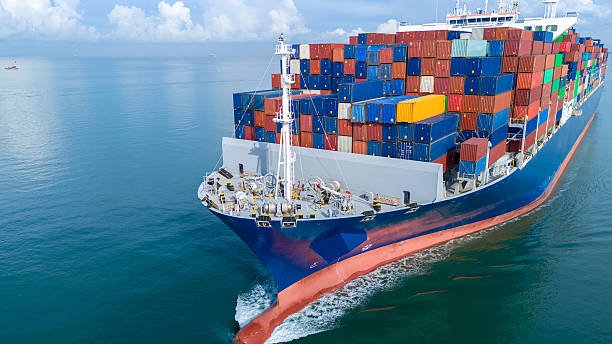
Global trade may be made easier with the help of a number of tools. Here are a few:
- TradeMap: It gives information on the worldwide trading patterns.
- Alibaba: The global networking of importers and exporters.
- Freightos: Assists in comparing the shipping rates.
- Export.gov: Provides services to U.S exporters.
- Websites of Customs Service: Contain country specific regulations.
Conclusion
Export-import business is a great business growth method. It bridges into new markets, it lowers the expenses, and helps you develop your brand around the world. Although issues such as regulations and logistics are present, they can be counteracted with thorough planning. Begin with research on markets, networking, and exploitation of technology. By figuring out the correct strategies, your business will get develop in global trade. Make the first step now and discover the possibilities of import-expor,t which are inexhaustible.