


Introduction
Keeping one’s Mental Balance is more important now than ever. In our busy world, stress, anxiety, and continual distractions can easily derail us. When our minds are off balance, our daily lives are impacted.
We may be unable to concentrate, find ourselves overwhelmed, or even lack motivation. Finding mental balance is vital to wellness. It helps us to experience each day with clarity, peace, and purpose.
This article will discuss five daily wellness tips to help you attain and maintain mental balance. Whether you’re a student, professional, or parent, the strategies listed here are simple to follow and effective for everyone.
What Is Mental Balance?

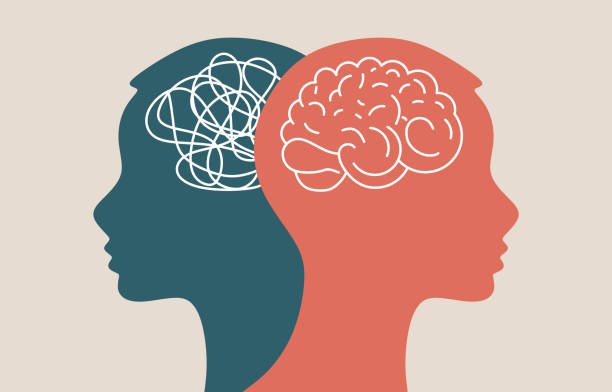
Mental balance is the ability to have a steady and calm mind. It’s about dealing with emotions, thoughts, and responses healthily.
When you’re mentally balanced, you can better manage stress, make clear decisions, and live more fully. “It’s not about never being stressed or upset; it’s about reacting calmly and thoughtfully when things get hard.”
What Does Balance of Mind Mean?
Mental balance influences all dimensions of life. Good mental health equals better relationships, work performance, and more enjoyment of daily activities.
It is also beneficial to physical health as stress and anxiety can affect your sleep patterns, digestion, and even your immune system. By focusing on mental balance, you invest in your overall well-being and contentment.
5 Daily Wellness Tips You Will Always Need
1. Practice Mindfulness Daily
Mindfulness is the art of being in the moment. It can help you to focus on your thoughts and feelings without judgment. Mindfulness meditation helps us to reduce stress and increase concentration.
- How to Practice: Take five minutes a day. Rest quietly and become aware of your breathing.
- Reduced Mental Stress: Regular exercise helps to decrease stress and boosts energy. Allow them to pass, don’t get embroiled in them.
- Benefits: Mindfulness decreases anxiety, and improves self-awareness. It teaches you how to not react impulsively but instead respond to situations calmly.
2. Prioritize Quality Sleep
Sleep is vital for the mind to be balanced. Lack of sleep impacts mood, memory, and concentration. Try to get 7-9 hours of sleep a night.
- Healthy Tips: Establish a bedtime routine. Avoid screens before bed. Keep your bedroom cool and dark.
- Why It Matters: Getting a good night’s rest lets your brain rest and recharge. It keeps you stable in your emotions and alert in the daytime.
3. Stay Physically Active
Exercise is both a physical and a mental exercise. Exercise produces endorphins, which are natural mood enhancers. You don’t have to run marathons. Even a short walk can help.
- Easy Ways to Stay Active: Simply put, take the stairs, stretch during break,s or join a local fitness class!
- Increases Brain Balance: Regular exercise lowers stress and boosts energy. It also helps to enhance the quality of sleep and self-confidence.
4. Connect with Others
Social relationships are important for mental health. Being with friends or family may make you feel better. If you can talk about your thoughts and feelings, you feel understood and supported.
- Ways to Connect: Call a friend, join a club or volunteer in your community.
- Positive Impact on Mental Well-being: Healthy relationships offer a sense of emotional security. They help you to cope with stress and feel less isolated.
5. Set Realistic Boundaries and Goals
Setting goals gives you focus. It teaches you to prioritize what’s important. Boundaries will help to conserve your time and energy.
- How to Set Them: Deconstruct large tasks in small steps. Say no when you need to. Pace your health above satisfying others.
- Benefits: Overwhelm is reduced because boundaries and clear goals are in place. They help you to be organized and motivated.
People Also Ask
1. How can I increase my mental balance every day?
Practice mindful meditation, get a good night’s sleep, exercise, socialize, and maintain clear goals.
Why is a healthy mind important for health?
It minimizes stress, enhances relationships, increases productivity, and promotes general well-being.
Can Exercise be used in the treatment of Mental Well-being?
Yes, exercise helps by releasing endorphins and reducing stress, which can help both mental and physical health.
What are easy mindfulness practices?
Breathe deeply, stay in the moment, and notice your thoughts without judgment.
Real-Life Examples
Example 1: Watson Story
Watson was a busy mom of two, and she had anxiety and sleepless nights. She practiced mindfulness for five minutes a morning. She also took it upon herself to walk her dog every night.
Over the course of time, Watson began to notice a calming effect and improved sleep. Her relationships improved – she was less snappy. Watson found mindfulness and exercise to be what helped her restore her mental balance.
Example 2: Jones’ Journey
Jones had a long, stressful job. Often, he felt disconnected and overwhelmed. One day, he made up his mind to draw the lines at work.
He went off email after 7 pm. Mark also went to a local book club to meet new people. All the little changes made him feel more in control and less stressed. Setting boundaries and connecting with others balanced his mind
Additional Tips for Sustaining Mental Balance
- Eat a Balanced Diet: Nutrition plays a role in mood and energy. Choose wholesome foods.
- Turn Off Electronics: Too much screen time is stressful and interferes with sleep.
- Practice gratitude – write down 3 things you are grateful for every day
- Take Breaks: Breaks in the work will help recharge your mind.
- Ask For Help When Needed: Don’t be afraid to seek the support of a counselor or therapist.
Overcoming Common Barriers
Mental balance isn’t always an easy thing to attain. Life can be unpredictable. Sometimes you may be discouraged or may lapse into old habits. That’s normal. What matters is persistence.
- Start Small: You don’t need to jump into making big changes in one fell swoop. Progress comes in small, steady steps, and results are permanent.
- Be Nice to Yourself: Everyone has days when they’re not good. Be kind to yourself in the same way that you would a friend.
- Keep Learning: Learn new ways of looking after your mental wellbeing. Read, listen to podcasts, or attend workshops.
How Your Mental and Physical Health Are Connected

Mental and physical well-being are closely related. Mental health problems can cause tiredness, headaches, or stomach problems.
Likewise, neglecting your body is one of the main reasons for stress and anxiety. By taking care of your mind and body, you are able to build a solid foundation for your health.
Holistic Approach: Don’t focus on one area. For optimal results, balance your mental, physical,and social health.
Conclusion
Mental balance is no luxury; it’s a necessity for a happy, healthy life. By engaging in mindfulness practices, getting sufficient sleep, exercising, engaging with others, and goal setting, you can become healthier in your everyday life.
These steps are easy but effective. Keep in mind, mental balance is a journey, not a destination. Make small changes today and you’ll see big improvements over time.
Take care of your mental balance, and you will experience a better, quieter, and more rewarding way of life every single day!