

Introduction
Good health is based on a balanced meal. It fuels your body. It boosts energy. It supports mental clarity. However, what is a balanced diet? It is about consuming the correct foods and in the correct quantities. It is not based on strict rules and deprivation. It is all about feeding your body in diversity. This paper discusses the fundamentals of a balanced diet. You will know why it is important and how to get it. Let’s dive in.
What Is a Balanced Diet
A healthy meal has all the necessary nutrients. These are nutrients that help sustain the body. They consist of proteins, carbohydrates, fats, minerals, and vitamins. Each plays a unique role. Portion control is also taken care of in a balanced diet. It does not contain excessive sugars or fats unfriendly to health. It emphasizes whole foods. Consider fruits, vegetables, low-fat proteins, and whole grains.
Why Balance Matters
Balance eliminates deficiencies of nutrients. It facilitates general health. Consumption of excessive amounts of one type of food is problematic. As an example, excessive carbs can increase blood sugar. Lack of protein may make muscles weak. A proper diet makes everything in check. It promotes long-term health.
Important Ingredients of a Balanced Diet.
A nutritious diet is not very complex. It consists of five major food groups. Each of them has certain advantages. Let’s break them down.
1. Carbohydrates: The Energy of Your Body.
Your main source of energy is carbohydrates. They energize your brain and muscles. Use complex instead of simple carbohydrates. Entire grains such as oats, quinoa and brown rice are fantastic. They release energy slowly. Refined carbs such as white bread should be avoided. They cause energy crashes.
2. Proteins: The Building Blocks.
Proteins repair tissues. They develop the muscles and promote immunity. Add lean meat, fish, eggs or beans. Vegetarian proteins such as tofu lentils are also good. Aim for variety. This will make sure that you receive the most needed amino acids.
3. Fats: Healthy, Not Harmful
Fats are vital to health. They aid the functioning of the brain and the production of hormones. Focus on healthy fats. Good choices are avocados, nuts, seeds and olive oil. Restrict processed food saturated fats. Avoid trans fats completely. They harm heart health.
4. Vitamins and Minerals: Little but Big.
Minerals and vitamins facilitate numerous mechanisms in the body. Vitamin C boosts immunity. Calcium strengthens bones. Iron prevents anemia. They are loaded with fruits and vegetables. Eat a rainbow of produce. This guarantees the diversity of nutrients.
5. Water: The Unsung Hero
A balanced diet includes hydration. Water aids digestion. It controls the temperature in the body. It keeps skin healthy. Aim for 8-10 cups daily. Adapt according to the activity or the climate. Herbal water or teas are no exception.
Benefits of a Balanced Diet
A well-balanced diet changes your health. It’s not just about weight. It touches all spheres of your life. Here are the key benefits.
Improved Energy Levels
A healthy diet regulates glucose. It prevents energy dips. You feel alert and focused. Complex proteins and carbs are the source of steady energy. Say goodbye to mid-day slumps.
Better Weight Management
A healthy diet promotes a normal weight. It reduces cravings. It prevents overeating. Whole foods help to keep you fuller. You will not be tempted to snack on junk food. Portion control is key.
Stronger Immunity
Vitamins such as zinc and vitamin C improve immunity. A balanced diet helps you in fighting infection. It speeds up recovery. Consume citrus fruits, leafy vegetables, and nuts. They fortify your fortifications.
Enhanced Mental Health
Your brain also requires nutrients. The omega-3 fats aid cognitive abilities. B vitamins reduce stress. A healthy diet makes you feel good. It may lower depression risk. Stock your brain with nutritious foods.
Reduced Disease Risk
A healthy diet reduces the risk of chronic disease. It protects your heart. It reduces diabetes risk. It can help it prevent some cancers. Foods that are rich in fiber reduce cholesterol. The antioxidants combat inflammation.
How to Create a Balanced Diet

It is an easy task to construct a balanced diet. It starts with small changes. The following are some tips that can be applied practically.
Plan Your Meals
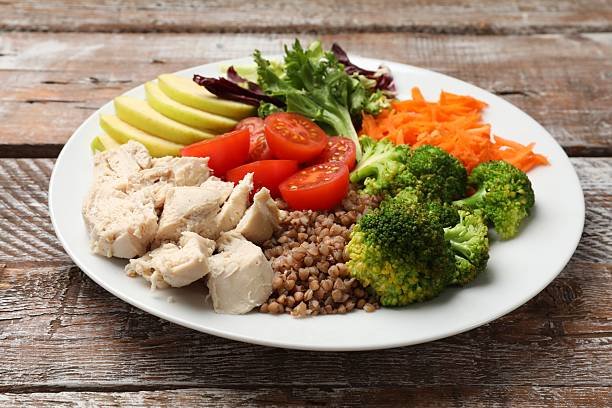
Balance is facilitated through meal planning. Include all food groups. Prep meals in advance. This saves time. It minimizes poor eating options. Eat with a plate: half vegetables, a quarter protein, a quarter carbs.
Eat the Rainbow
Foods that are colored are rich in nutrients. Red tomatoes have lycopene. Green spinach is high in iron. Blueberries contain antioxidants. Aim for variety. This is a complete range of nutrient bases.
Watch Portion Sizes
Eating too much is avoided by portion control. Use smaller plates. Count portions of high-calorie food. It is not only about what you eat that makes a balanced diet. It’s about how much.
Limit Processed Foods
Cooked meals contain a lot of sugar and salt. They lack nutrients. Substitute them with natural foods. Swap chips for fresh fruit. Prefer home-cooked meals to fast food. Your body will thank you.
Stay Consistent
Consistency is key. A healthy diet is not a fast solution. It’s a lifestyle. Take little steps that are environmentally friendly. Over time, they add up. You will become healthier and healthier.
Popular Myths about a Balanced Diet.
People can be bewildered by misinformation. It is time to bust the myths on a balanced diet.
Myth 1: Carbs Are Bad
Carbs aren’t the enemy. They provide energy. The trick is to select the appropriate ones. Whole grains are nutritious. Cooked sugar is not so healthy. Balance is what matters.
Myth 2: Fats Are All Causes of Obesity.
Not all fats are bad. Fats that are healthy aid in weight management. They keep you full. The real villains are trans fats and too much saturated fat. Choose wisely.
Myth 3: You Need Supplements
Most of the nutrients are found in a balanced diet. Supplements are not necessarily required. Focus on whole foods first. A doctor should be consulted before taking supplements. They are not a replacement to actual food.
Myth 4: Dieting Means Starving
There is no need to starve because of a balanced diet. It’s about nourishment. You ought not to be deprived, but satisfied. Eat nutrient-dense foods. They keep hunger at bay.
Who Needs a Balanced Diet?
A balanced diet is beneficial to everybody. It’s not just for weight loss. Kids need it for growth. Adults need it for energy. Seniors need it for vitality. Specific needs vary, though.
Balanced Diet for Kids
Children require nutrients to develop. Dietary balance helps in healthy bones. It boosts brain growth. Add the dairy, fruits, and whole grains. Limit sugary snacks.
Balanced Diet for Adults
Adults juggle busy lives. A nutritious diet is a source of productivity. It reduces stress. Spend on lean foods and vegetables. Stay hydrated. Avoid skipping meals.
Balanced Diet for Seniors
The nutrient needs change with aging. Elderly people require calcium in their bones. Fiber aids digestion. Mobility is assisted by a healthy diet. It promotes longevity. Add tender fruits and cooked vegetables.
Difficulties of Eating a Balanced Diet.
It is not always easy to adhere to a balanced diet. Life gets in the way. The following is a list of typical challenges and solutions.
Time Constraints
Lack of time complicates the process of cooking. Solution: Prep meals in bulk. Freeze portions. Keep healthy snacks handy. Think nuts or fruit. Fast foods are not necessarily unbalanced.
Budget Limitations
Healthy food appears to be costly. Resolution: Purchase locally grown products. Choose frozen vegetables. They’re just as nutritious. The cheap sources of protein are beans and lentils.
Desires of Unhealthy Eats.
Permit snacks in limited amounts. Quench cravings of sweets with fruit. Substitute fried foods with baked foods. Balance is concerned with flexibility.
Aids to a Balanced Diet
Balance is made easier with technology and resources. Here are some tools to try.
Food Journals
Track what you eat. Apps like MyFitnessPal help. They depict nutrient degradations. You’ll spot gaps in your diet. Adjust accordingly.
Nutrition Guides
Use government guidelines. MyPlate is a great resource. It shows portion sizes. It proposes ratios of food groups. Follow it for balance.
Professional Advice
Dietitians also provide individual plans. They consider your needs. They are used to assist medical conditions. Ask one to get personal recommendations.
Conclusion
You have a well-balanced diet, and you are on your way to health. It’s not about perfection. It is all about diversity and continuity. Eat whole foods. Include all food groups. Watch portions. Stay hydrated. The benefits are endless.
You’ll have more energy. You’ll feel stronger. You’ll reduce disease risk. Start small. Make one change today. With time, a healthy diet turns into a habit. You will repay with your body and mind. Take the ride to a fitness fairy.