

Introduction to Marketing Tools
Marketing is fast-paced. You must have the right tools in order to be ahead. Marketing tools will save you time, connect to your audience, and monitor the outcomes. These tools have the power to drive your campaigns, whether you are a small business owner or an experienced marketer. This article discusses the most suitable marketing tools that will be in use in 2025. We will discuss their characteristics, advantages, and how they will enhance your strategy. Let’s dive in!
Why Marketing Tools Matter

The tools of marketing make your work easier. They mechanize repetitive activities. They give information on how the customers behave. They assist in making your content more effective. Without them, you end up being manual workers. This is both time-consuming and restricting. Your campaigns are made more effective with the right tools. They also prove to be cost-effective in the long run.
It is more digital marketing than ever. The reign of power is social media, email, and SEO. Some tools are useful in managing these channels. They will make sure that your message is passed to the appropriate individuals. Here are the best marketing tools to increase your campaigns.
Top Marketing Tools for 2025
These are the most appropriate marketing instruments. Both of them address particular issues. They are easy to use and rich in features.
Email Marketing Tools
Email marketing is an online giant. It is inexpensive and will have high returns. Here are two top picks.
Mailchimp: Mailchimp is the omnichannel.
Mailchimp is an email marketing leader. It is ideal to both novices and experts. Its drag-and-drop email creation tool can make marvelous emails. It has a welcome email and cart abandonment automation. Mailchimp offers analytics as well to monitor open rates and clicks.
Why choose Mailchimp? It has integrations with Shopify and WordPress. Its free version takes care of small businesses. Premium plans are those that offer more features, such as A/B testing. As an illustration, a small online shop can employ Mailchimp to deliver product recommendations to each customer in a personalized manner. This increases the sales without additional work.
Constant Contact: Easy and Efficient.
Another good option is Constant Contact. It’s known for its ease of use. You are able to make professional emails within minutes. It provides newsletter and promotion templates. Its automation tools are not complex. You are able to set emails according to user behavior.
Constant Contact excels in customer service. They have live chat and phone assistance. It suits companies that are new to email marketing. An example is in a local bakery, where constant contact can be used to make weekly offers. This will keep the customers interested and create foot traffic.
Social Media Marketing Tools.
Modern marketing can not do without social media. These applications assist you with the maintenance of various platforms.
Hootsuite: Reorganize Your Social Media.
Hootsuite allows you to control all your social sites at the same place. You have the option of scheduling posts on Instagram, Twitter, and LinkedIn. It also follows the metrics of engagement, such as likes and shares. The dashboard is user-friendly at Hootsuite. It will save you the hassle of multitasking.
As an illustration, a startup can make a month of posts with the help of Hootsuite. This guarantees uniform platform branding. Hootsuite also comes with analytics to view what will be a hit. Its group work capabilities are superb to bigger firms.
Buffer: Simple Scheduling
Buffer works best with small teams. It deals with the analytics and scheduling. You have an opportunity to organize posts on various platforms. Buffer has a clean interface that is easy to use. It also indicates the most appropriate time to post to reach more.
Buffer allows a freelancer to create client accounts. They are able to schedule posts and monitor performance within minutes. The free plan offered by Buffer is generous. Premium plans include such benefits as advanced analytics. It is an excellent option for cost-effective marketers.
Better Visibility SEO Tools
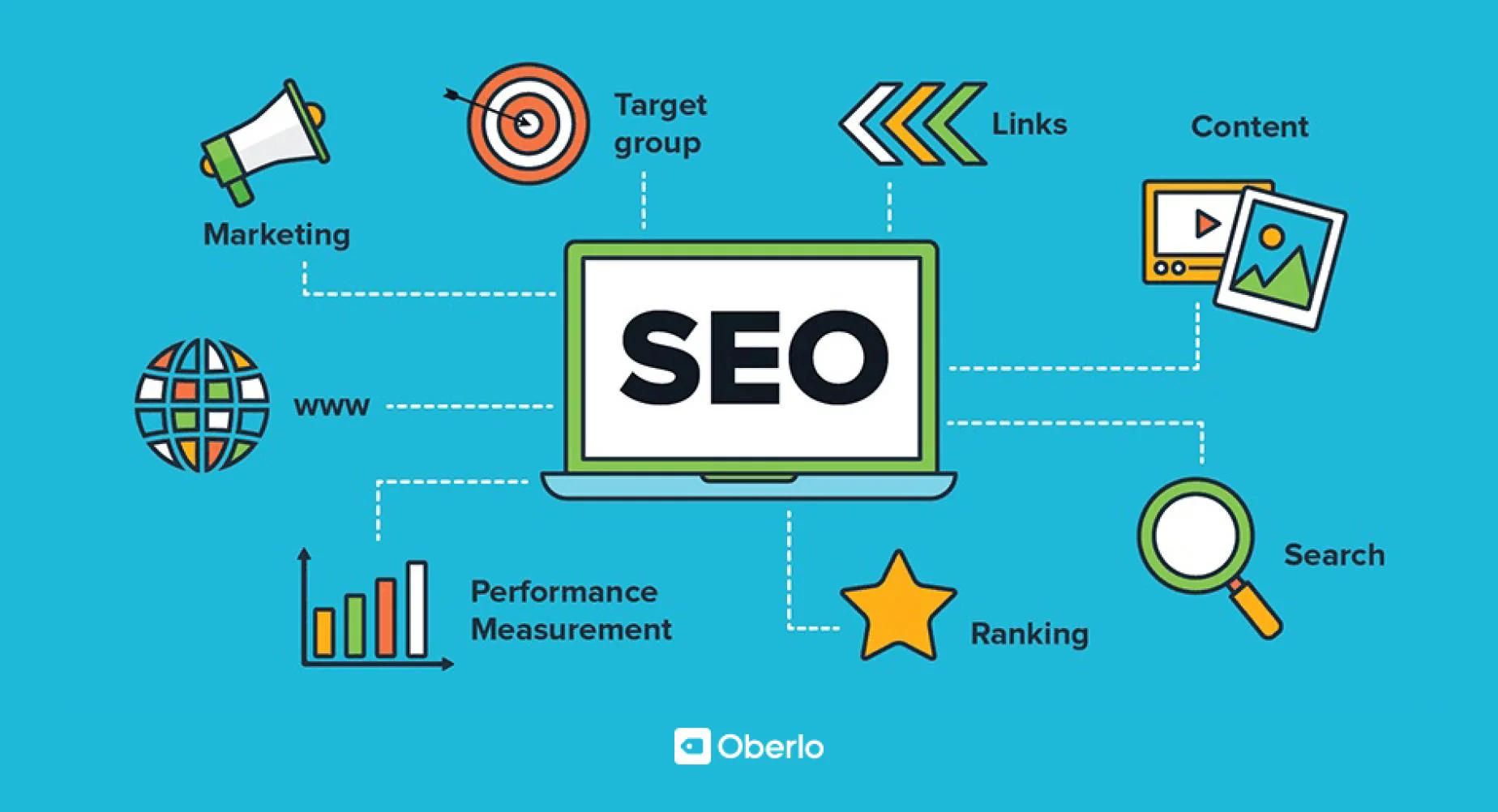
SEO drives organic traffic. These are tools that assist you to be on top of Google.
SEMrush: The SEO Powerhouse
SEMrush is popular among the SEO professionals. It provides search engine research, competitor analysis and site audit. You have high-ranking keywords of your niche. SEMrush also monitors your rankings over time. Its backlink analysis is helpful to create a strong link profile.
In the case of a blog, one can use SEMrush to locate low-competition keywords. This will draw in more traffic without spending lots of money on advertisements. SEMrush content marketing tools are also suitable for developing SEO friendly content. That is an indispensable tool of digital marketers.
Ahrefs: Competitor Deep Insights.
Another best tool of SEO is Ahrefs. It is famous for its analysis of backlinks. You are able to view the people who connect to your competitors. Ahrefs provides content gap and keyword research, as well. Its site explorer can demonstrate what other people are doing to succeed in the same business.
Ahrefs is an excellent tool that a small business can use to spy on the competitors’ strategies. They are then able to make better content to be ranked higher than they are. Some of the tools are cheaper than Ahrefs. Nevertheless, serious marketers of its knowledge are justified.
Content Creation Tools
Super content catches the eye. These are tools that simplify the creation of content.
Canva: Design Made Simple
Canva is a change-maker to non-designers. It provides social post, flyer templates, and ad templates. Professional visuals can be created in minutes. Canva drag and drag-and-drop editor is easy to use. It is also conducive to teamwork.
As an example, Canva can be used to create Instagram stories in a restaurant. Visual graphics are striking and appeal to more of the followers. Canva’s free plan is robust. Plans are paid, which grant access to premium templates and functionalities. It is ideal when it comes to producing branded content.
Grammatically: Perfect Your Writing.
Grammatically, Grammarly makes sure that your work is correct. It verifies grammar, spelling and tone. It also recommends the methods of making your writing clear. Grammarly has browser integration with applications such as Google Docs. Email, blogs, social posts and other social media require it.
Grammarly can be used by a content marketer who wants to edit blog posts. Clarity and smooth content is superior on search engines. It also develops confidence on the readers. Grammarly has the premium plan, which introduces style and tone recommendations.
Success Tracking Analytics Tools.
You can never measure what you never improve. These tools can give practical knowledge.
How to use Google Analytics: Free and Powerful.
Google Analytics is a performance tracking tool that is free. It displays your traffic beginning. You may know what pages keep the visitors active. It also follows conversions such as submissions of a form or purchases.
As an illustration, Google Analytics can be used by an online store to follow the sales funnel. This assists in determining the customer drop-offs. The tool is not expensive and needs a require setup. It is necessary to be data-driven in marketing.
Hotjar: Get to Know Better User Behavior.
Hotjar is more than just regular analytics. It provided heat maps to indicate user clicks. You are also able to capture user sessions in order to view their path. The feedback tools offered by Hotjar allow gathering the opinions of users.
Hotjar can be utilized to optimize the landing page of a SaaS company. Heat maps indicate whether the buttons are disregarded. This results in superior design decisions. The plans of Hotjar are inexpensive to small businesses.
How to Choose the Right Marketing Tools
Among all these choices, it might be hard to decide which tools to use. The following are some tips to be followed:
- State Your Objectives: Would you prefer increased traffic? Pay attention to such SEO tools as SEMrush. Need better engagement? Try Hootsuite or Buffer.
- Think About Your Budget: Free applications such as Google Analytics are perfect with startups. Paid services such as Ahrefs are suitable to established companies.
- Integration of Checks: The systems must be compatible with your current infrastructure. Indicatively, Mailchimp has been integrated with e-commerce platforms.
- Free Trials: The majority of tools have free trial options. Try them out and find the one that fits your workflow.
- Scalability: Select tools that increase as your business does. Mailchimp and Hootsuite provide plans of any sizes.
Integrating Tools to Maximum Impact.
The most relevant marketing tactics combine several instruments. An example is to use a mix of Canva and Buffer to make and plan social posts. Write SEO-friendly blogs with the help of SEMrush and Grammarly. Monitor data on Google Analytics and Hotjar. This generates a smooth flow of work.
Real-life example: An exercise instructor will use Canva to create workout images. They plan their posts using Buffer. Mailchimp provides them with the ability to contact clients through email with promotional messages about new classes. Google Analytics traces the visits to the websites through such campaigns. This combined strategy will yield the greatest impact.
Conclusion
To be successful in 2025, marketing tools are a necessity. They are time-saving, increase efforts, and give outcome. E-mail marketing to SEO, the appropriate tools are the ones that make your campaigns shinier. Such tools as Mailchimp, Hootsuite, SEMrush, and Canva are not picked without a purpose. They are easy to use and rich in features.
Begin with free plans so that you can test them. Match tools to create a strong marketing stack. Using such tools, you will reach your audience and expand your brand as never before. Are you willing to augment your campaigns? These are the marketing tools that you should use!