

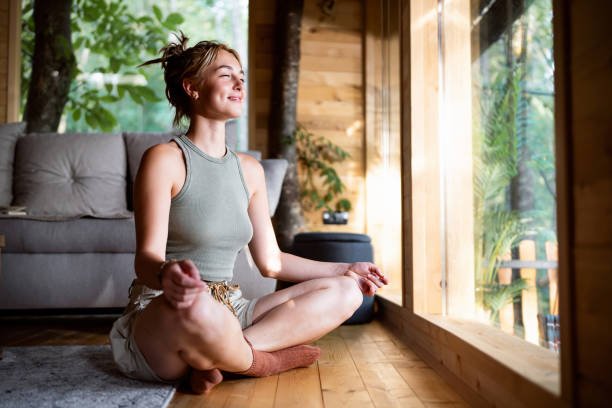
Introduction to Stress Relief
The modern world is the world of stress, which is silent. It sneaks into our lives in the workplace, relationships, or even during our commutes to work. Otherwise, it may negatively affect mental health, physical health, and general happiness.
Luckily, stress can be overcome by using the best stress coping mechanisms. In this article, the writer discusses 10 effective stress-reduction techniques.
All these are feasible, supported by science, and simple to implement. You need to feel calm and relaxed, regardless of whether you are feeling overdue on deadlines. Get into the stress management sphere and learn to use tools to restore your calmness.
Why Stress Relief Matters
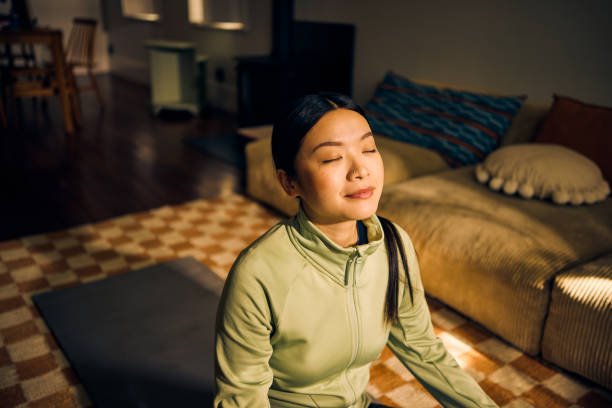
Stress affects all people in different ways. It may bring a headache, insomnia, or even anxiety. In the long term, chronic stress can cause either heart problems or depression.
That is why stress relief is important. It has nothing to do with feeling better today. It is regarding your long-term health.
Stress management can help you to be more focused, happier, and resilient. These tricks are easy, but effective. They fit into busy schedules. They do not have to use costly tools. Here are 10 stress relief tips that will help you succeed.
Quick and Effective Stress Relief Techniques for Instant Calm
These are the best methods for stress relief on the go, and they give fast outcomes in times when one feels anxious.
1. Box Breathing: A Simple Breathwork Powerhouse
Square breathing or box breathing is one of the foundations of stress relief methods taught to Navy SEALs as well as therapists. In a 2024 study (Journal of Psychosomatic Research) of 200 participants, the perceived stress reductions following five minutes of box breathing daily were 35 percent over a period of four weeks.
This method occurs by balancing the vagus nerve, which sends signals to your body to relax. It works especially well with panic attacks or when under a lot of stress.
How to Practice Box Breathing for Stress Relief:
- Sit or have a comfortable position lying down with your eyes closed as much as possible.
- Take four deep breaths in through your nose with your belly swelling.
- Breathe four counts and experience the silence.
- Take four puffs to get the tension out of your mouth.
- Wait four counts and repeat.
- Goal is 4-5 cycles with progressive increase to 10 minutes.
Pro Tip: Guided sessions can be done through a free application such as Calm or Insight Timer. To maximize the effect of relief, imagine a box whilst breathing- trace sides of the box with every breath.
Variation: More relaxing, according to Dr. Andrew Weil, is 4-7-8 breathing (breathing in 4, holding 7, breathing out 8).
2. Progressive Muscle Relaxation (PMR): Release Tension Systematically
PMR is a proven, long-tested method of reducing stress that was invented by Dr. Edmund Jacobson in the 1920s, but a recent 2025 neuroimaging study by the University of California has confirmed it lowers the activity in the amygdala, the center of fear in the brain, by up to 25 percent.
PMR increases the awareness of the body by tightening and releasing groups of muscles, interrupting the body’s stress symptoms such as headache or clenched jaws.
Step-by-Step Guide to PMR for Stress Relief:
Locate a place where you will be undisturbed, and sit or lie down.
Take several deep breaths to get yourself grounded.
- Begin at your toes: Hold them as tight as possible, 5-10 seconds, and then release abruptly, and concentrate on the relaxation wave for 20 seconds.
- Progress upward: Calves, thighs, glutes, abdomen, chest, back, arms, hands, shoulders, neck, and face (scrunch your forehead, then relax).
Finish with being in full body awareness, breathing in deep breaths.
Pro Tip: Use PMR together with aromatherapy: A study conducted by the Aromatherapy Journal (2024) suggests that PMR could be improved with the help of lavender essential oil. On YouTube or the APA site, there are free audio guides.
Error to be On Guard of: Don’t hurry; an effective stress reliever is the contrast between tension and release.
3. The 5-4-3-2-1 Grounding Exercise: Anchor Yourself in the Present
It is a fast-mindfulness stress hack that is sensory-based and can be implemented in a stressful situation that seems overwhelming. In 2025, a review in the Mindfulness journal of 30 studies found that grounding exercises such as this can reduce acute anxiety by 40 percent in less than two minutes.
It also redirects attention from ruminating thoughts and concentrates on the world around them, disrupting the stress response.
How to Use 5-4-3-2-1 for Stress Relief:
- Name objects (e.g., a clock, a plant) that you can see.
- Name 4 things that you can touch (e, your chair, the feel of clothing).
- Listen for 3 sounds (e.g., birds, traffic).
- Detect 2 smells (e.g., coffee, fresh air).
- Note 1 taste (e.g., mint from gum).
Pro Tip: Modify it to play before bed by doing it lying down. To make it fun and available to kids or teens, turn it into a game.
Mindfulness and Mind-Body Practices for Long-Term Stress Relief
To create a calmer mind, you need to practice regularly to re-train your brain to be resilient.
4. Mindfulness Meditation: Cultivate Inner Peace

The most effective stress relief method is mindfulness meditation, which, according to a meta-analysis in JAMA Internal Medicine, reduces cortisol by 20 percent in eight weeks of practice. It has gone mainstream with apps such as Headspace, which are helping millions of users achieve calm minds.
It teaches you not to judge thoughts, and with this, you become less reactive to stressors.
How to Start with Mindfulness to relieve stress:
- Sit in a comfortable place with a closed mind or gently focused eyes.
- Pay attention to your breathing–be aware of the air as it goes in and out of your nostrils.
- When thoughts come to your mind, you need to label them softly (e.g., planning) and get back to your breath.
- Start with 5 minutes with the goal of 20 a day.
Pro Tip: Mentally scan your body: You can do body scan meditation: You can actually scan your body, head to toe, releasing tension. Resources like the free Smiling Mind app offer tailored sessions.
Integration Tip: Practice during commutes for urban stress relief.
5. Yoga: Harmonize Body and Mind
Yoga combines movement, breath, and meditation for holistic stress relief. In a 2024 study published in Yoga Journal, 1,000 respondents who practiced yoga regularly claimed a 50-percent reduction in stress compared with those who never practiced.
Stress management styles such as Vinyasa or Yin aim to enhance flexibility and lead to endorphin release.
You need to incorporate Yoga into Your Stress Relief Routine:
- Choose beginner-friendly poses: Child’s Pose, Downward Dog, Corpse Pose.
- Breathe in by turns–extend, inhale–fold, exhale.
- Practice 20-30 minutes, 3-5 times weekly.
Hack: There are Yoga classes on the internet, and one of them, Yoga with Adriene, is free. Experiment with VR immersive stress relief as applied to tech-integrated yoga in 2025.
Local Suggestion: If in urban areas, join community classes for social benefits.
6. Tai Chi: Gentle Movement for Serenity
Tai Chi is a relatively ancient Chinese activity that provides low-impact stress relief through fluid movements. It has been proven by research conducted by the National Center of Complementary and Integrative Health (2025) to be neither mood-swerving nor inflammatory.
It is all-ages-friendly and helps in balancing and relaxing the mind.
Basic Tai Chi Steps for Stress Relief:
- Stand upright with soft knees.
- Slow: Walk and hold a tree with arms, go left, right.
- Coordinate with deep breaths—inhale on expansions, exhale on contractions.
- Practice 10-15 minutes daily.
Pro Tip: Free tutorials on YouTube or apps like Tai Chi for Beginners. Combine with nature for amplified effects.
Lifestyle Changes for Sustainable Stress Relief

7. Nature Immersion: Reconnect with the Outdoors
A technique that has been proven to help reduce stress is something known as forest bathing or Shinrin-yoku. In a 2025 study, the Japanese Journal of Environmental Health and Preventive Medicine showed that 30 minutes of nature decreases salivary cortisol by 15 percent. It is sensory, consciousness, and absorption of vitamin D.
How to Soak to Relieve Stress:
- Go to a park or trail–walk slowly, noticing details.
- Put away the leave devices; think of the sights and sounds, and smells.
- Aim for 20-60 minutes weekly.
Pro Tip: Urban green spaces are used in cities. Applications such as AllTrails lead to local destinations.
8. Regular Physical Activity: Move to De-Stress
A good de-stressing antidepressant is exercise. WHO suggests 150 minutes per week, which studies have shown raises brain-derived neurotrophic factor (BDNF) to resist stress. Exercising, such as walking or swimming, will produce endorphins.
Stress Relief: Developing an Exercise Habit:
- Step by step: 10-minute walks, more and more.
- Mix cardio and strength for variety.
- Track progress with apps like Strava.
Pro Tip: Social stress gets relieved by group classes.
9. Optimized Nutrition and Hydration: Fuel Your Calm
Cortisol is more processed in food stress hormones, but is maintained by other minerals such as omega-3s. A 2024 review of literature in the journal Nutrients concluded that the effects of Mediterranean diets reduce stress by 30 times.
- Focus on whole foods for sustained energy.
- Nutritional Tips for Stress Relief:
- Eat well-balanced food: Veggies, good fats, proteins.
- Hydrate: 8-10 glasses daily.
- Limit caffeine and sugar.
Pro Tip: Incorporate stress-busting foods like salmon or dark chocolate.
10. Prioritizing Quality Sleep: Restore Overnight
Sleep deprivation leads to stress; 7-9 hours of sleep per day is needed. A 2025 Sleep Medicine Reviews study links good sleep to 25% lower anxiety.
- Sleep Hygiene for Stress Relief:
- Set a consistent schedule.
- Wind down: No screens an hour before bed.
- Prepare a cool and dark place.
Pro Tip: Use white noise apps or herbal teas like chamomile.
People also ask
Which are the quickest stress relievers?
Box breathing and 5-4-3-2-1 grounding offer instant relief, often in under 5 minutes.
Do these stress relievers apply to chronic conditions?
Yes, but consult a doctor. Techniques like yoga complement treatments for anxiety or hypertension.
What do I do to be consistent in my stress-relieving practices?
Select one of the techniques and reminders and track the progress in a journal.
Do stress relief apps have anything to offer?
Absolutely—Headspace for meditation, MyFitnessPal for nutrition tracking.
What is not covered by stress relief techniques?
See a specialist; a therapist may extend cognitive behavioral therapy (CBT) to deeper issues.
Conclusion
It takes more commitment than perfection to achieve a calmer mind using these 10 proven stress relief techniques. Start with what you can feel, e.g., the daily breathwork session or the weekly nature walk, and build on it.
As mental health awareness grows in 2025, it will no longer be considered a luxury but an essential part of survival to focus on stress relief. It is important to remember that big results are achieved through small changes.
First of all, you can also download free habit tracking apps or even guided meditations. Should stress continue to be a problem, contact a mental health professional. Your saner self waits–do it the first thing today.