

Introduction
It is fun to start up a small business. You have a wonderful idea, a catchy name, and a unique logo. But how do you protect them? That is where a trademark is involved. Trademarks protect your brand name. It will make your business be unique.
It also does not allow other people to use your name or logo. In the case of small businesses, it is important to know about trademarks. Not only big corporations. This paper deconstructs the fundamentals of trademarks. We will discuss what they are and why they are important as well as how to acquire one. Let’s dive in!
What Is a Trademark?
Defining a Trademark
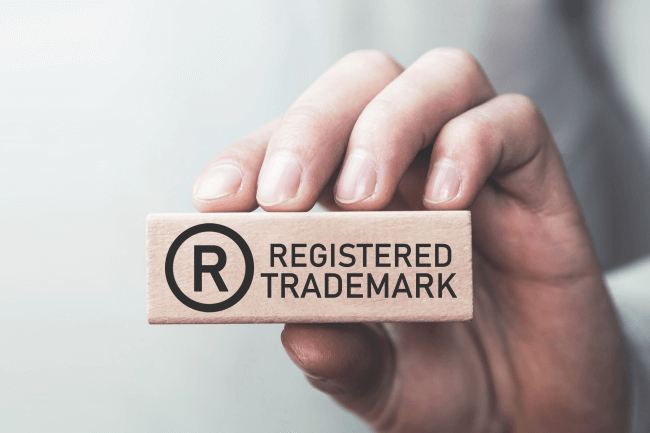
A trademark refers to a text, symbol or name. It determines the goods or services of your business. Consider the swoosh of Nike or the bitten apple of Apple. These are trademarks. They inform the customers about the creator of the product.
Trademarks may be in the form of a logo, slogan or even sound. In the case of a small business, a trademark is the fingerprint of your brand. It is what makes you different in a saturated market.
Types of Trademarks
Trademarks are of various types. Here are the main types:
- Word Marks: These are slogans or names. A word mark, such as, Coca-Cola.
- Design Marks: These are logos or symbols. Imagine the golden arches at McDonald’s.
- Service Marks: These are used to mark a service, not a product. The name of a law firm might be a service mark.
- Collective Marks: Are marks belonging to groups, such as associations. As an example, the logo of a trade union.
- Mark of Certification: These indicate the fulfillment of specific standards of a product. The “USDA Organic” label is one.
All of these types safeguard various elements of your brand. Select the one that suits your company.
The importance of Trademarks to the Small Business.
Securing Your Brand Name.
Your business has its core in terms of your brand. It is legally guarded by a trademark. In their absence, other people may replicate your name or logo. This can confuse customers. It can even damage your reputation. The trademarks make sure that you have your brand. It grants you the right of exclusivity.
Building Customer Trust
These trademarks are equated with quality by customers. A strong trademark creates trust. It demonstrates that you are not a joke when it comes to your business. As an example, your products have a special logo that makes them familiar. They will come back in case they have trust in your brand. A brand assists in developing such loyalty.
Avoiding Legal Issues
No trademark, you are in legal trouble. Your brand name may be registered by another person. Then they would be able to sue you on using it. This is prevented by registering a trademark. It provides you with legal support to protect your brand. In the case of small businesses, this is a saving of time and money.
Selecting a good Trademark.
Make It Distinctive
A strong trademark is unique. Ordinary or common words are weak. As an example, the name of Best Coffee is too generic. But Starbucks is unique. Aim for something memorable. It must be different in your industry.
Avoid Descriptive Terms
It is difficult to trademark descriptive words. The words such as soft when referring to pillows or sweet when referring to candy are feeble. Rather, suggestive or arbitrary marks are to be used. Apple as a name of computers, is arbitrary. It is not connected with the product and therefore it is powerful.
Check Availability
Research before you decide on a trademark. Search the USPTO database. Do not have your mark used by other people. You may also look at domain names and social media profiles. This makes your brand really unique.
The Trademark Registration Procedure.
Step 1: A Trademark Search.
Start with a thorough search. Use the USPTO’s TESS database. Seek similarities like the marks in your industry. This is to prevent conflicts in the future. You may employ the services of a trademark lawyer. They make certain that your search is complete.
Step 2: File Your Application
Next, file with the USPTO. You can do this online. Select either use in commerce or intent to use. The former is that you are already using the mark. The second way you intend to make use of it shortly. Add information such as your mark and your business type.
Step 3: USPTO Review
Your application is reviewed at the USPTO. This takes several months. A verifier detects contradictions. They also make sure that your mark is legal. Your mark will be transferred to publication.
Step 4: Publication and Opposition.
Your trademark is registered in the Gazette of USPTO. It can be opposed by others within 30 days. When nobody tells you differently, you are a step further to registration. In case a person protests, then you might require a lawyer.
Step 5: Registration
When everything is alright, then your trademark is registered. You’ll receive a certificate. This provides you with national coverage. You can now use the ® symbol. Your brand is safe!
Costs of Trademarking
Filing Fees
Registration of the trademark is not free. The application fee is between 250 and 350USPTO per good or service category. An example of a category is a type, such as clothing or software. One class is frequently the beginning of small business ventures. See the USPTO site.
Attorney Fees
It is more expensive to hire a trademark attorney. Fees can range from $500 to $2,000. But they save you time. They also minimize the mistakes in your application. This can be an intelligent investment, especially to small businesses.
Maintenance Costs
Trademarks require upkeep. Between years 5 and 6, you will be filling out documents after registration. Then, every 10 years. Each filing has fees, usually $200-$500. These to maintain your trademark.
Trademark Marygo Round.
Not Doing a Thorough Search
It is dangerous to forego a trademark search. You could choose a mark that is already in use. This causes rejection or lawsuits. Also, it is always best to check the USPTO database.
Choosing a Weak Mark
The weak marks are difficult to guard. Descriptive or generic words are not good. Pick something unique. It enhances your legal argument.
Disregard of International Protection.
When you are planning to go international, look into the future. The trademarks are nation-specific. Register in other countries when necessary. This is made easier under the Madrid Protocol. It allows you to enter several countries simultaneously.
The Advantages of Hiring a Trademark Attorney.
Expert Guidance
Trademark law is complex. An attorney knows the rules. They lead you on the process. This minimizes the errors and accelerates the process.
Handling Disputes
An attorney is needed in case you have an opponent to your trademark. They can defend or negotiate for you in courts. This will cover your brand against lawsuits.
Saving Time
The trademark registration is time-consuming. A lawyer deals with the documentation. They also monitor deadlines. This allows you to concentrate on the running of your business.
Maintaining Your Trademark
Monitor for Infringement
Once registered, watch out against copycats. When one is using your mark, strike quickly. Send a cease and desist letter. Or, consult your attorney. Securing your trademark will save your brand.
Renew Your Trademark
No trademarks are ever permanent. Renews files within due time. It will involve the Section 8 declaration (years 5-6) and renewal (after every 10 years). Failure to meet the deadline can revoke your trademark.
Use Your Trademark Properly
You must use your mark at all times. As an example, repeat the same spelling of Nike. Registered ®. This shows it’s protected. It also enhances your rights under the law.
Copyrights vs. Patents vs. Trademarks.
Trademarks
Brand names are safeguarded through trademarks. These consist of names, logos, and slogans. They will be as long as you keep them.
Copyrights
Copyrights safeguard works of creativity. Think books, music, or art. They don’t cover brand names. The term of copyright is 70 years of the author’s life.
Patents
Patents protect inventions. They are a product or process covering. Patents last 20 years. In contrast to trademarks, they do not safeguard the name of your brand.
These differences can be understood to secure your business to the maximum.
Frequently Asked Questions
Is It possible to trademark my business name?
Yes, if it’s unique. Such generic names as bakery can not be trademarked. But SweetTreat Bakery may count.
Registration To Take?
It varies. Expect 6-12 months. Delays occur when there are either conflicts or errors.
Do I Need a Trademark?
Not legally, but it’s smart. Your brand is secured by a trademark. It is an added value as well in selling your business.
Conclusion
Small businesses depend on trademarks. They guard the name of your brand. They build customer trust. They also avoid legal pain. Registration of a trademark is not an easy task, but it is well worth. Choose a strong, unique mark.
Do a thorough search. File with the USPTO. Think about getting an attorney. When registered, protect your trademark. Keep a watch and ensure renewal in time. In doing so, you achieve the future of your brand. Start today. Your business deserves it.